Into Inception, Again, Again and Again
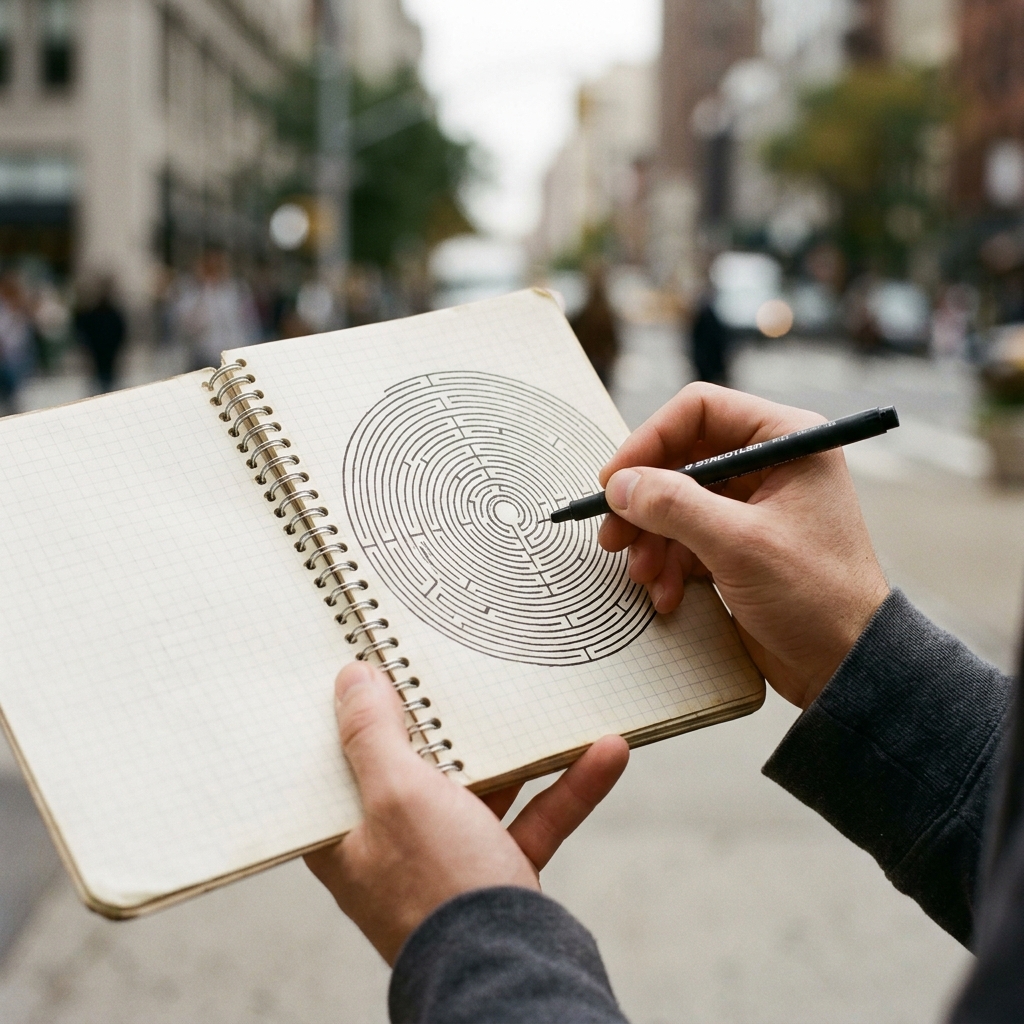
AI Image for Inception (2010)
Recently, I rewatched Inception (2010), directed by Christopher Nolan. I have watched every single film he has made, from Following and Memento to Oppenheimer, and yet this is the one I keep coming back to. I have lost count of how many times I have seen it now, and honestly, every rewatch still manages to surface something I had missed before.
Talking about Inception: it follows Cobb, a man who steals secrets from people's dreams, as he takes on the impossible task of planting an idea instead. The heist is layered and clever, but underneath all of it is a deeply human story about a father trying to get back to his children, weighed down by guilt and memory.
What sets this film apart, even after all these years, is how real it feels. Nolan relied on massive physical sets like the rotating hallway, and even when using CGI, like for the folding city, he insisted on keeping the buildings rigid and mechanical to avoid a rubbery, fake look. Even the mirror fold scene, where the camera crew was digitally painted out of the frame to achieve those infinite reflections, keeps a very tactile, in-camera quality. In an era where most blockbusters feel almost entirely computer-generated, Inception grounds its impossible worlds in weight and texture you can almost touch.
At its heart, the film asks what is real and whether it even matters if you can no longer tell the difference. That final spinning top is still one of the finest endings in cinema, and I think it will stay with me for as long as I keep rewatching this. It is not for everyone, and the layered rules can feel overwhelming, but I would still recommend giving it a watch. And if you already have, maybe give it another.